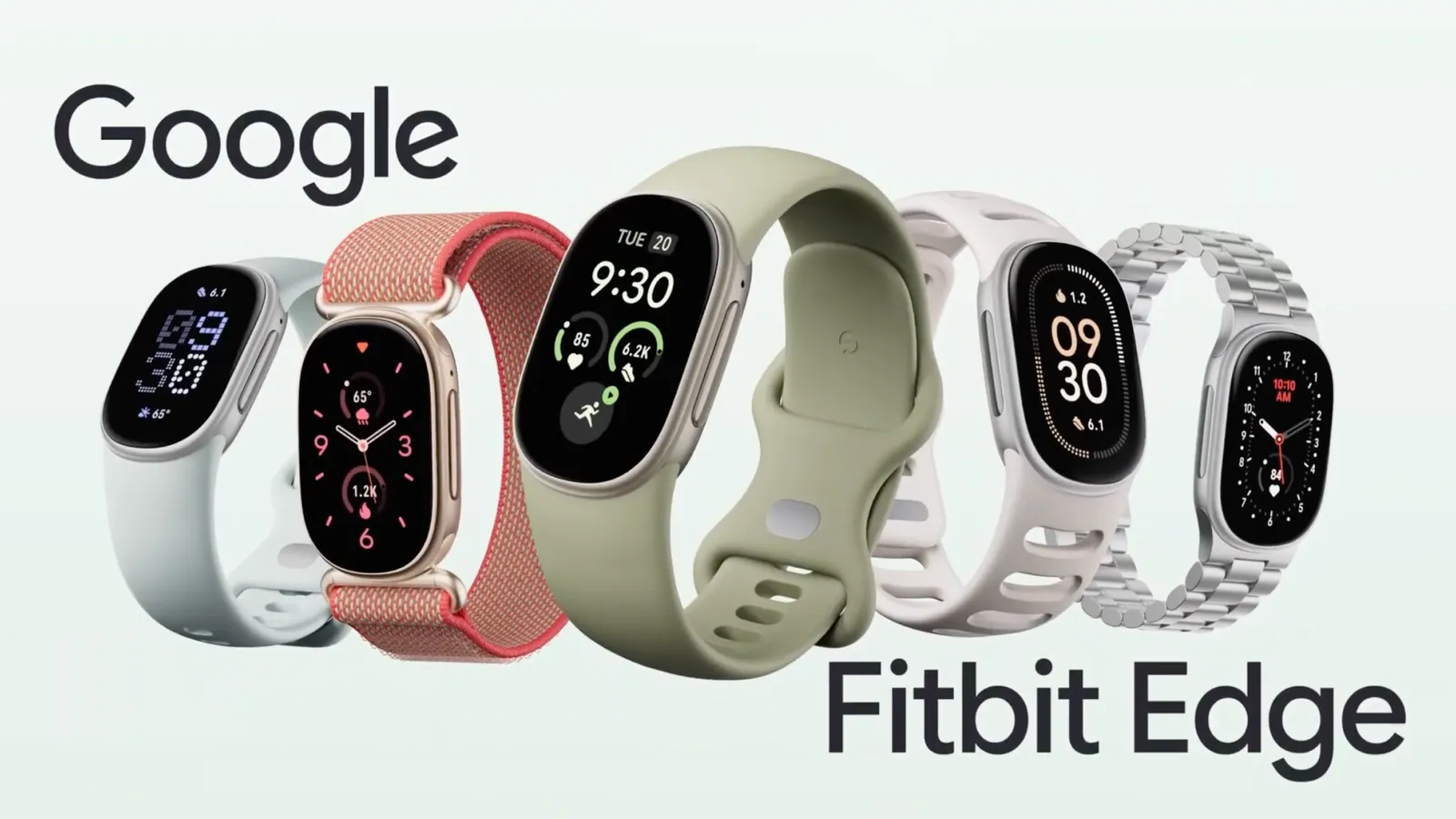
Google now sells two Fitbit trackers that look like they’re aimed at the same person. The Fitbit Air, launched in May, is a small screenless band. The Fitbit Edge, announced October 12, adds a display, built-in GPS, and a few extra sensors. It sits between the Air and the Pixel Watch.
The real question is simple: do you want to look at your wrist, or would you rather check everything on your phone? Once you answer that, the choice mostly makes itself.
We haven’t used either tracker. This comparison is based on Google’s announcements and product pages, plus Engadget’s side-by-side breakdown. It covers features only, not health benefits or accuracy.
The basics
Price. The Fitbit Edge costs $179.99. The Fitbit Air starts at $99.99. Both have Stephen Curry Special Editions that cost more.
Availability. The Edge is on pre-order now, and Google says it will be on shelves October 27. The Air is already on sale.
Compatibility. Both work with most phones running Android 11 or later and iOS 16.4 or later. Both need a Google Account and the Google Health app, which replaced the Fitbit app this year. Neither locks you into Android.
Water and dust. Engadget reports that both carry an IP68 rating and 5ATM water resistance.
The screen is the big difference
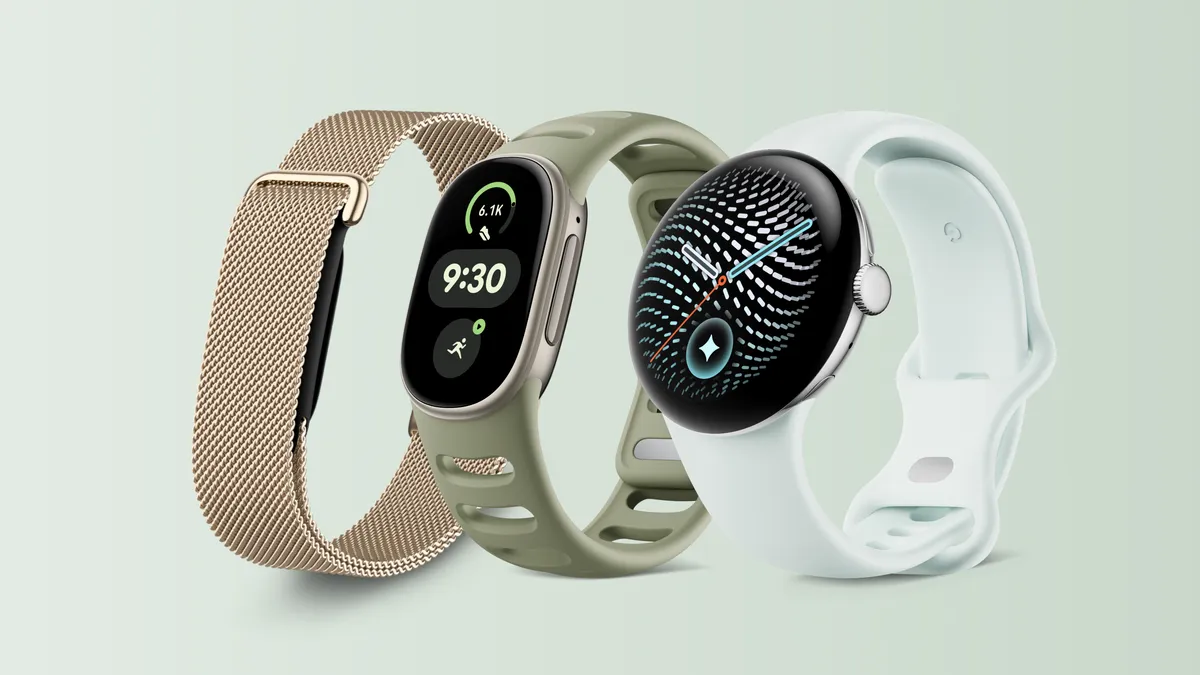
The Air has no display at all. Engadget describes it as a small sensor puck you rarely touch, except to charge it or change the band. Everything happens in the Google Health app.
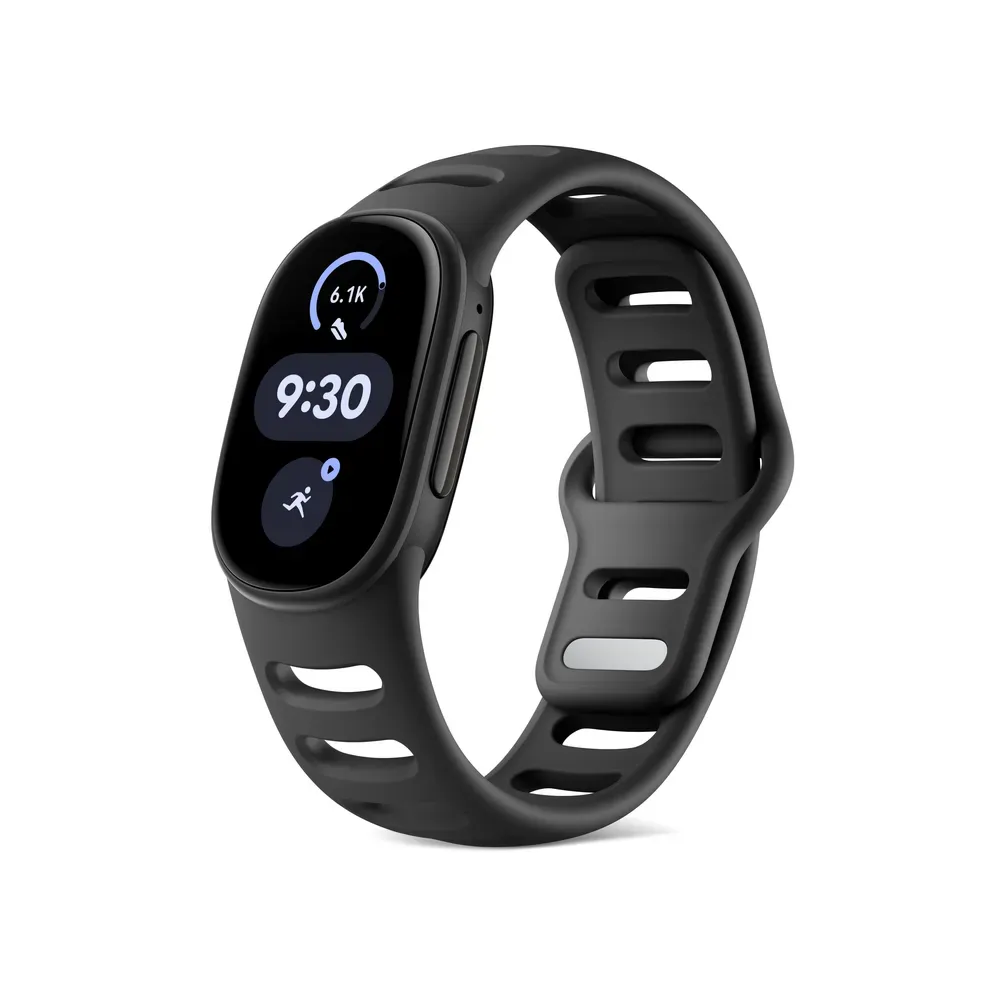
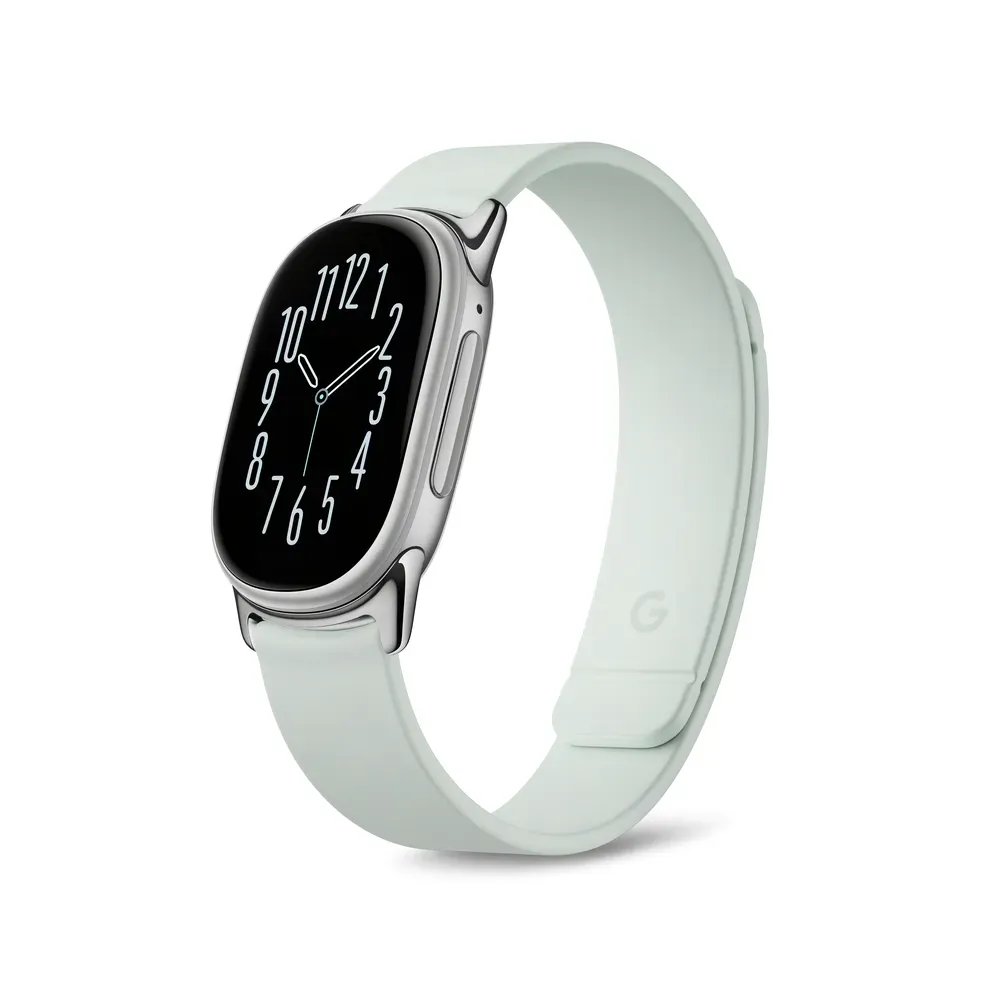
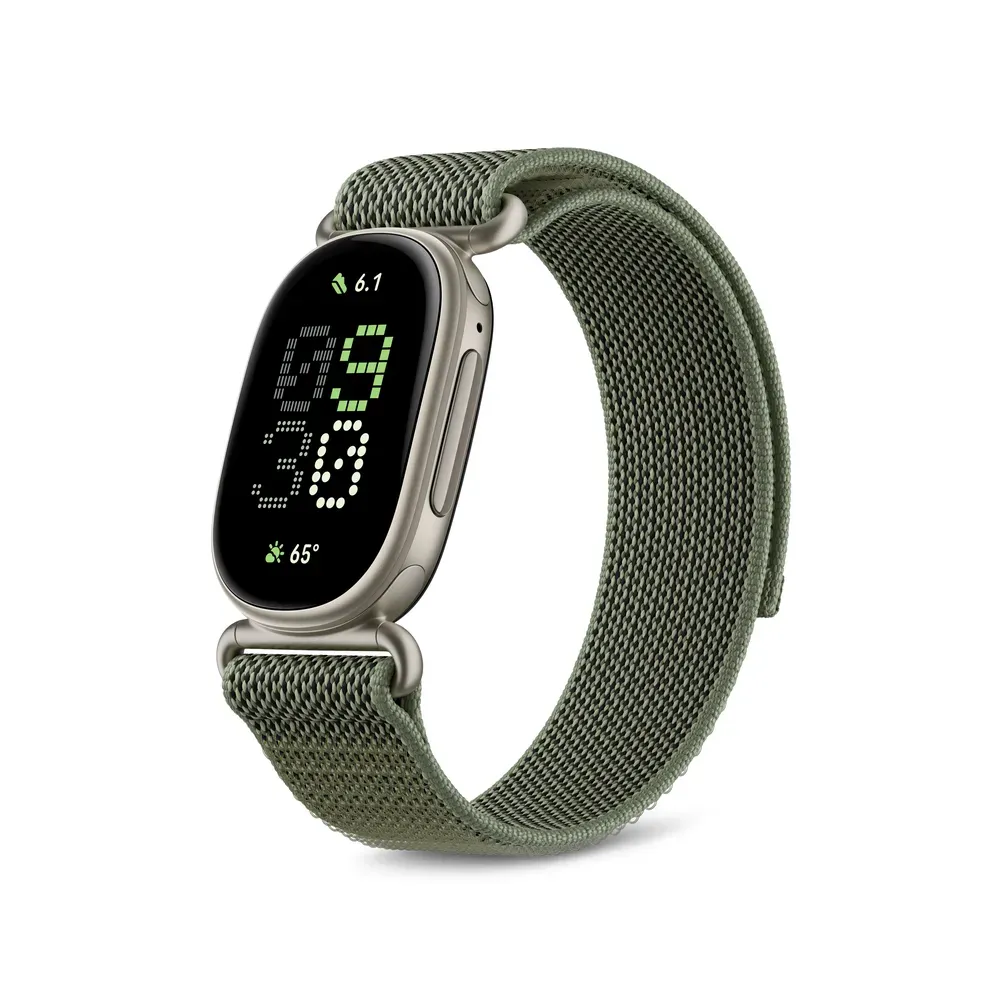
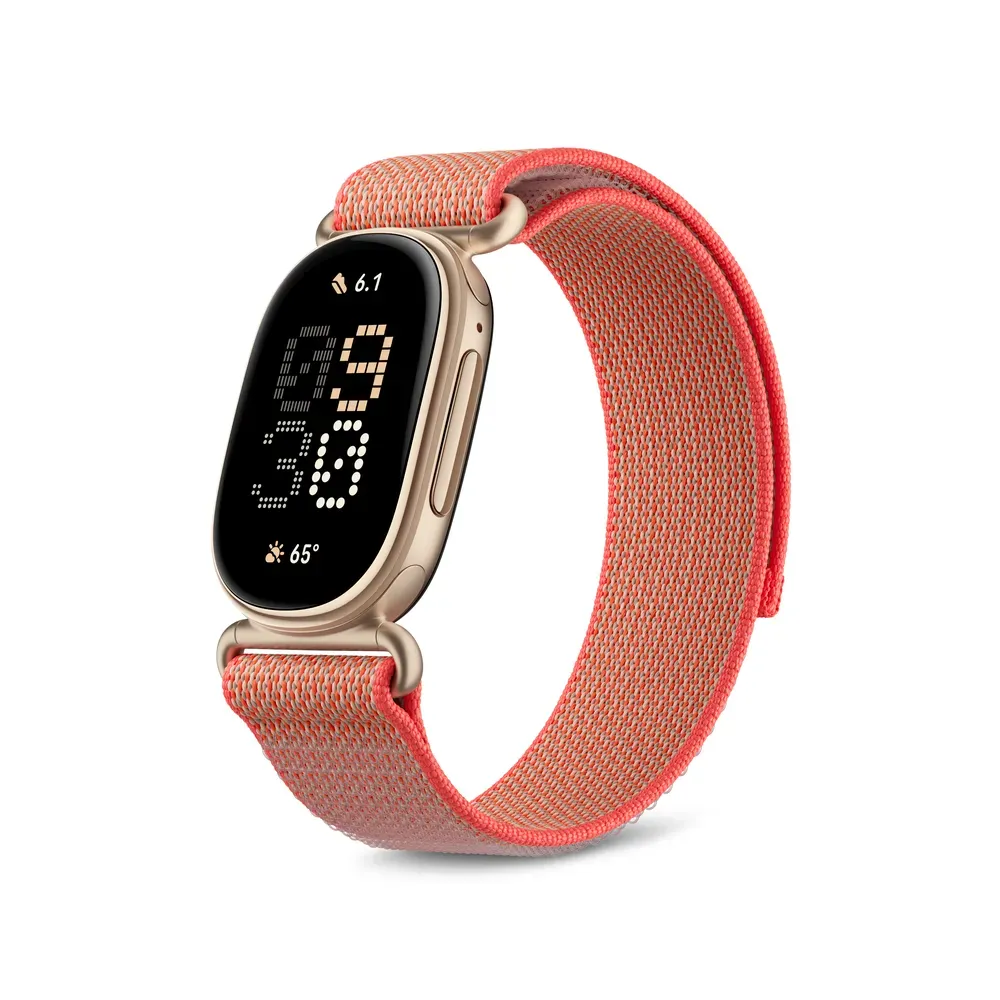
The Edge has a 1.34-inch touchscreen, which Google calls its largest and brightest tracker screen yet, plus a physical side button. That screen lets the Edge do things the Air simply can’t:
- Show the time, steps, weather, and your stats at a glance
- Display call and message notifications from your phone
- Show live workout stats while you exercise
- Run media controls and a pared-down Google Maps
If you like glancing at your wrist during a run or getting a buzz when a text arrives, the Edge is the obvious pick. If you’d rather not have another screen in your life, the Air’s lack of one is a feature. Engadget makes the same point: the Air is less in your face, while the Edge is harder to ignore.
GPS and sensors
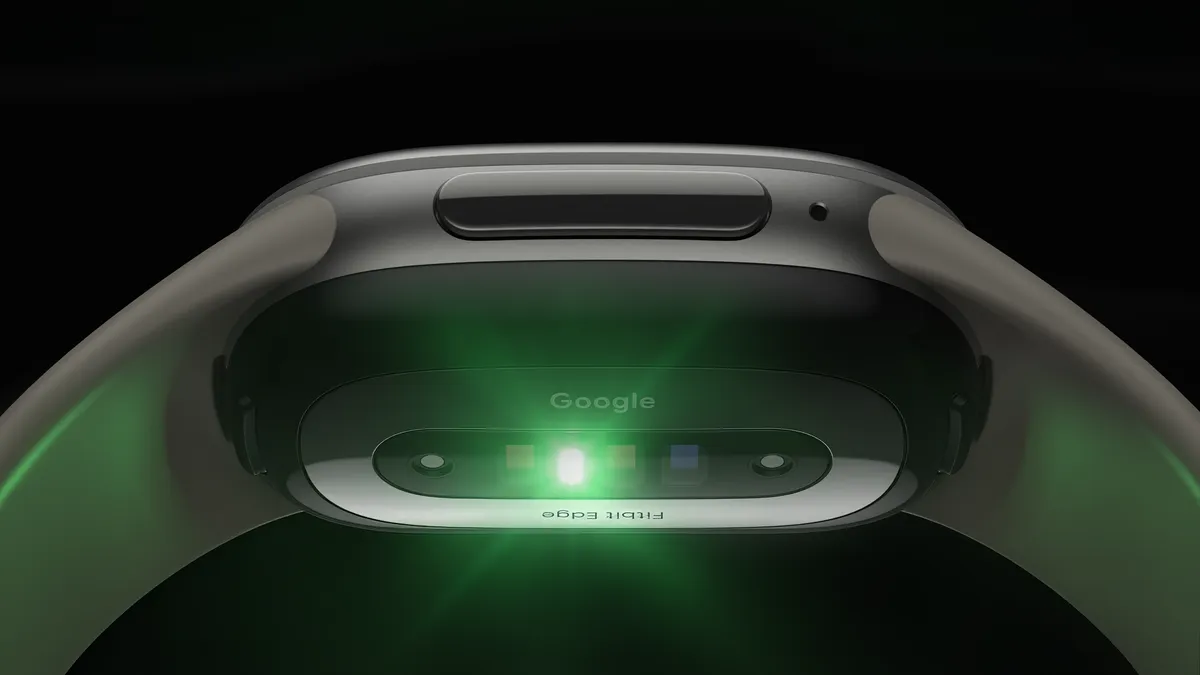
GPS. The Edge has built-in GPS, so it can map an outdoor run without your phone. The Air doesn’t. According to Google’s support page, it uses your phone’s GPS through a connected GPS setting, so you’d need to carry your phone to map a route.
Sensors. Both have an optical heart rate sensor. Per Engadget, only the Edge has the electrical sensors needed for the ECG app, plus an altimeter for elevation and floors climbed, and an ambient light sensor. Google also lists a skin temperature sensor on the Edge. We’re naming these sensors so you know what’s in each device, not making claims about what they measure or how well.
Workouts. Google says the Edge has more than 50 exercise modes you can start on the wrist and can recognize up to 100 activities automatically. Both trackers support automatic activity detection, according to Google.
Battery life and charging
Google rates both at up to seven days, but the Edge’s screen changes the picture.
Engadget reports that the Edge reaches seven days only with the always-on display turned off. With always-on enabled, it’s rated for about two days. Both trackers charge fully in about 90 minutes, and Google says five minutes of charging gives about a day of use when the battery is low. Like all battery estimates, these are Google’s figures under its own test conditions, and real-world results vary with your settings.
The Edge has one more point in its favor: Google calls it its first repairable fitness tracker, with a replaceable battery.
What Google Health Premium costs, and what it unlocks
This is the part that’s easy to miss. Both trackers work with the free Google Health app for basics like activity tracking and heart rate data. But Google’s headline features, especially its Gemini-powered Google Health Coach, require Google Health Premium.
Cost. Google lists Premium at $9.99 a month or $99 a year. Android Authority reports that’s up from the old Fitbit Premium annual price. Both trackers come with three months of Premium free, and Premium is included with Google AI Pro and Google AI Ultra plans.
What it gates. According to Google, Premium includes the Google Health Coach, adaptive fitness plans with daily workout suggestions, more detailed sleep insights, workout videos, and mindfulness content. Google also says you must be 18 or older to sign up.
So budget for it. Over a year, a Premium subscription costs about as much as the Air itself. If you don’t care about AI coaching, you can skip it, but Google’s marketing for both devices leans heavily on the coach.
Who should buy which
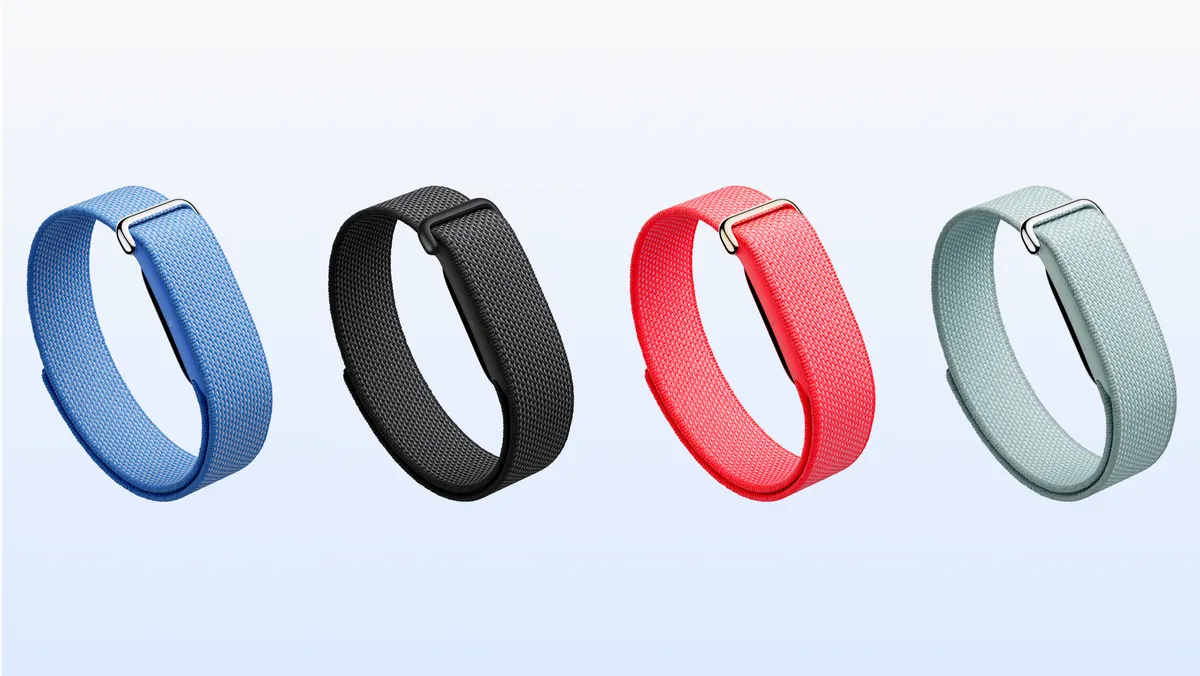
Pick the Fitbit Air if you want the simplest, cheapest tracker, you don’t want another screen on your wrist, you always carry your phone when you exercise, or you want something small to wear all day and overnight. Google also pitches it as a companion for Pixel Watch owners who want to switch devices at night.
Pick the Fitbit Edge if you want notifications and live stats on your wrist, you run or ride without your phone and want built-in GPS, you want the ECG app or elevation tracking, or you like the idea of a replaceable battery. Just expect to charge it more often if you leave the always-on display on.
Consider neither if you want apps, payments, and smartwatch features. That’s Pixel Watch territory, at a much higher price.
Our take
The screen is the whole decision. If you want to see your stats, notifications, and maps without pulling out your phone, the Fitbit Edge is worth the extra cost over the Air, especially for phone-free runners who need built-in GPS. If you just want a quiet tracker that sends everything to your phone, the Fitbit Air does that for much less. Either way, factor in Google Health Premium if the AI coach is part of the appeal.
FAQ
When does the Fitbit Edge ship? Google says it’s available for pre-order now and will be on shelves October 27.
Does the Fitbit Air have GPS? No built-in GPS. It uses your phone’s GPS through a connected GPS setting in the Google Health app.
Do I need Google Health Premium? Not for basic tracking. You need it for the Google Health Coach and other premium features. Both devices include three months free.
Do the Fitbit Edge and Fitbit Air work with iPhone? Yes. Both work with iOS 16.4 or later, as well as Android 11 or later.
Sources
- Google: Google Fitbit Edge, our all-new smartest fitness tracker ever (October 12, 2026)
- Engadget: Fitbit Edge vs Fitbit Air, the differences beyond a screen (October 14, 2026, updated October 16)
- Google: Introducing the new Google Fitbit Air (May 7, 2026)
- Google: Introducing the new Google Fitbit Air and Google Health app (May 7, 2026)
- Google Store: Fitbit Air tech specs
- Google Health Help: Use GPS on your Fitbit device or Pixel Watch
- Google Health Help: Sign up or manage your Google Health Premium subscription
- Android Authority: Fitbit Premium is now Google Health Premium