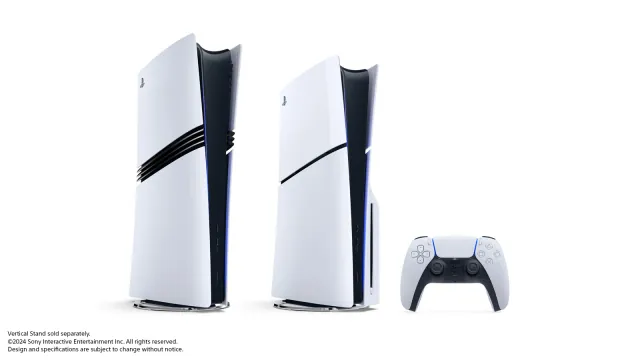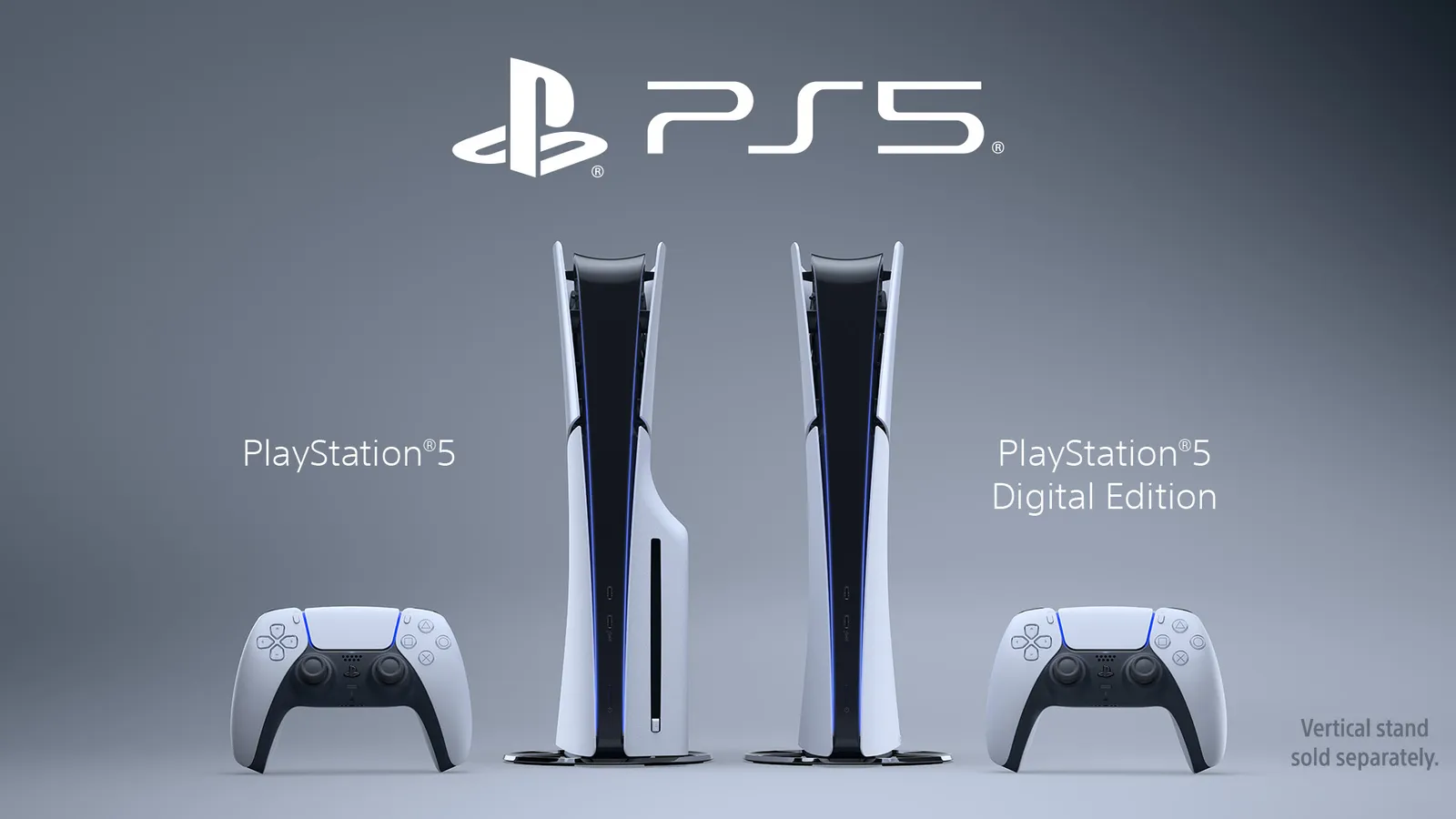
On July 1, Sony announced that it will stop producing discs for new PlayStation games starting in January 2028. Three and a half months later, the debate hasn’t cooled. This week, PlayStation’s original architect, Ken Kutaragi, weighed in, and the #NoDiscNoBuy boycott is still running.
If you’re deciding how to buy games over the next year or so, the details matter more than the headlines. Here’s what Sony actually said, what it didn’t say, and how to think about physical versus digital between now and the cutoff.
What Sony actually announced
The PlayStation Blog post was short. Here’s the core of it, in Sony’s words:
“physical game disc production for all new games releasing on PlayStation consoles will be discontinued starting January 2028. Following this date, new games will be available on PlayStation Store and at retailers in digital formats only. This transition has no impact on games that already released, or will be releasing, prior to January 2028 in disc format.”
Sony called it “a natural direction” that reflects how “the general preference for digital media significantly outpaces physical discs.”
What isn’t affected, and what Sony hasn’t said
Games already on disc. By Sony’s own wording, the change has “no impact” on games that are already out, or that come out on disc before January 2028. Your existing discs aren’t affected.
Reprints of older games. Days after the announcement, Game File reported on a message Sony sent to developers through its partner portal, and VGC and others covered it. According to that message, publishers “will still be able to place re-orders for existing PlayStation disc games,” so pre-2028 titles can still get new disc printings after the cutoff. Sony told partners that the ordering process will change in ways it hasn’t detailed yet.
Other publishers. The scope is “all new games releasing on PlayStation consoles,” not just Sony’s own. Ars Technica notes that PlayStation discs are made by a Sony subsidiary, which is why the change covers third-party games too.
Boxed retail copies. Sony also told partners it will “provide publishers with the opportunity to release new games at retail using digital codes.” Details haven’t been announced. It’s reasonable to guess this will look like code-in-a-box releases, which is how GTA 6’s boxed version works, as we covered in our GTA 6 console guide. Treat that as a guess, not a confirmed format.
Things Sony didn’t address. The July 1 post says nothing about disc drives, current or future consoles, or remasters and re-releases of older games that come out after January 2028. We couldn’t find an official Sony statement on any of these. Anything you read about, for example, a future console dropping the disc drive is speculation until Sony says so.
The backlash: #NoDiscNoBuy
The reaction was immediate and has lasted. According to ChannelNews, a consumer boycott under the #PSBlackout and #NoDiscNoBuy hashtags was organized by the game preservation group Does It Play? and began on August 23. The same report puts a related petition at more than 371,000 signatures. A Forrester blog post, citing a survey of 149 PlayStation users, reported that 66% didn’t want the change to take effect.
The measurable impact so far looks small. GamesRadar+ reported that Circana’s Mat Piscatella saw “no significant change at all in player count or engagement” in its US tracking. On Sony’s July earnings call, CFO Lin Tao said Sony doesn’t see “any negative impact on our business.” She also acknowledged that “people have strong views.”
What Ken Kutaragi said this week
Kutaragi led development of the first three PlayStation consoles and left Sony in 2007. Speaking to VGC at the Game Republic New Horizons event in Middlesbrough, UK, he said he understood the frustration but sided with the business logic.
“I understand that physical discs have become a metaphor for ‘owning’ games. I really understand that mentality,” he told VGC. He added: “I really understand [why some people are upset], but I don’t think it’s economically reasonable. Maybe it’s a mentality issue.”
He also said Sony’s handling had “caused some friction with game enthusiasts.” He suggested the company may now see PlayStation as “not just a game console, but also a content terminal.” It’s worth remembering that he no longer works at Sony and was offering opinion, not insight into its plans.
Physical vs digital: what you’re actually choosing
Sony’s case rests on the numbers. In its latest quarterly results, Sony reported that 82% of full-game sales on PS4 and PS5 were digital downloads (April to June 2026), per GameSpot and Insider Gaming. For a lot of players, this changes nothing. Here are the trade-offs for everyone else.
Resale and trade-ins. A disc can be sold or traded in. Digital games can’t. ChannelNews points out that PlayStation’s terms describe software as licensed, not sold, and the license is non-transferable. If you rely on trade-ins to fund new games, discs are worth more to you.
Lending. You can hand a disc to a friend. Digital purchases are tied to your account.
Collecting. If you like a shelf of boxes, buying discs of games you care about before and around the cutoff is the only way to get them. Reprints of older titles can continue after 2028, but there’s no guarantee any particular game will get one.
Preservation and delistings. This is the strongest argument for discs. On the same day as the disc news, Sony announced it will close the PlayStation Store on PS3 and PS Vita, with US access ending in July 2027, according to Ars Technica. Sony said players can still re-download purchases “for the foreseeable future.” Ars noted that this falls short of a lifetime promise. A disc doesn’t depend on a store staying open, although many modern games still need patches or online features.
Storage. Digital means everything lives on your drive, and big games fill it quickly. If you’re heading toward an all-digital library, our PS5 storage guide covers how much space each model actually has and how to expand it.
Convenience and price. Digital wins on convenience: no swapping discs, preloads, and frequent store sales. Physical copies can be cheaper secondhand, so which costs less depends on how you shop.
Our take
Don’t panic-buy. Nothing about your current discs changes, and older games can still be reprinted. Between now and January 2028, buy on disc when a game is one you’d want to keep, lend or resell, and buy digital when convenience or a sale matters more. If you care about owning specific games long term, pick up those discs while they’re easy to find. Budget for more storage, because the digital future fills drives fast.
FAQ
Will my PS5 discs stop working in 2028? No. Sony says the change has “no impact” on games that already released, or will release, on disc before January 2028.
Will any new PlayStation games come on disc after January 2028? Not according to Sony. New games will be digital only, though Sony told partners that publishers can sell them at retail with digital codes.
Can older games still be reprinted on disc after 2028? Yes. That’s according to Sony’s message to partners, as reported by Game File and covered by VGC.
Is Sony changing its consoles or disc drives? Sony hasn’t announced any hardware changes alongside this decision. Anything else you’ve read is speculation.
Sources
- PlayStation Blog: Physical disc production ending in January 2028 for new games releasing on PlayStation consoles (July 1, 2026)
- VGC: Sony tells developers they’ll still be able to make discs, but only for older games
- VGC: Ken Kutaragi ‘understands’ why PlayStation fans don’t want to give up physical games (October 16, 2026)
- Ars Technica: Sony announces end of PlayStation discs, parts of digital store in the same day (July 1, 2026)
- The Verge: Sony is killing all physical PlayStation game discs (July 1, 2026)
- ChannelNews: Sony refuses to budge on PlayStation disc ban as anger erupts at IFA 2026
- GamesRadar+: PlayStation boycott made “no significant change” in US engagement, analyst says
- Forrester: PlayStation Picks Profits Over Players
- Gadgets 360: Sony doesn’t expect any negative impact after ending disc production
- GameSpot: Sony’s latest PS5 sales data shows digital pulling even further ahead (July 31, 2026)